
Industrial Renewable Integration Made Simple
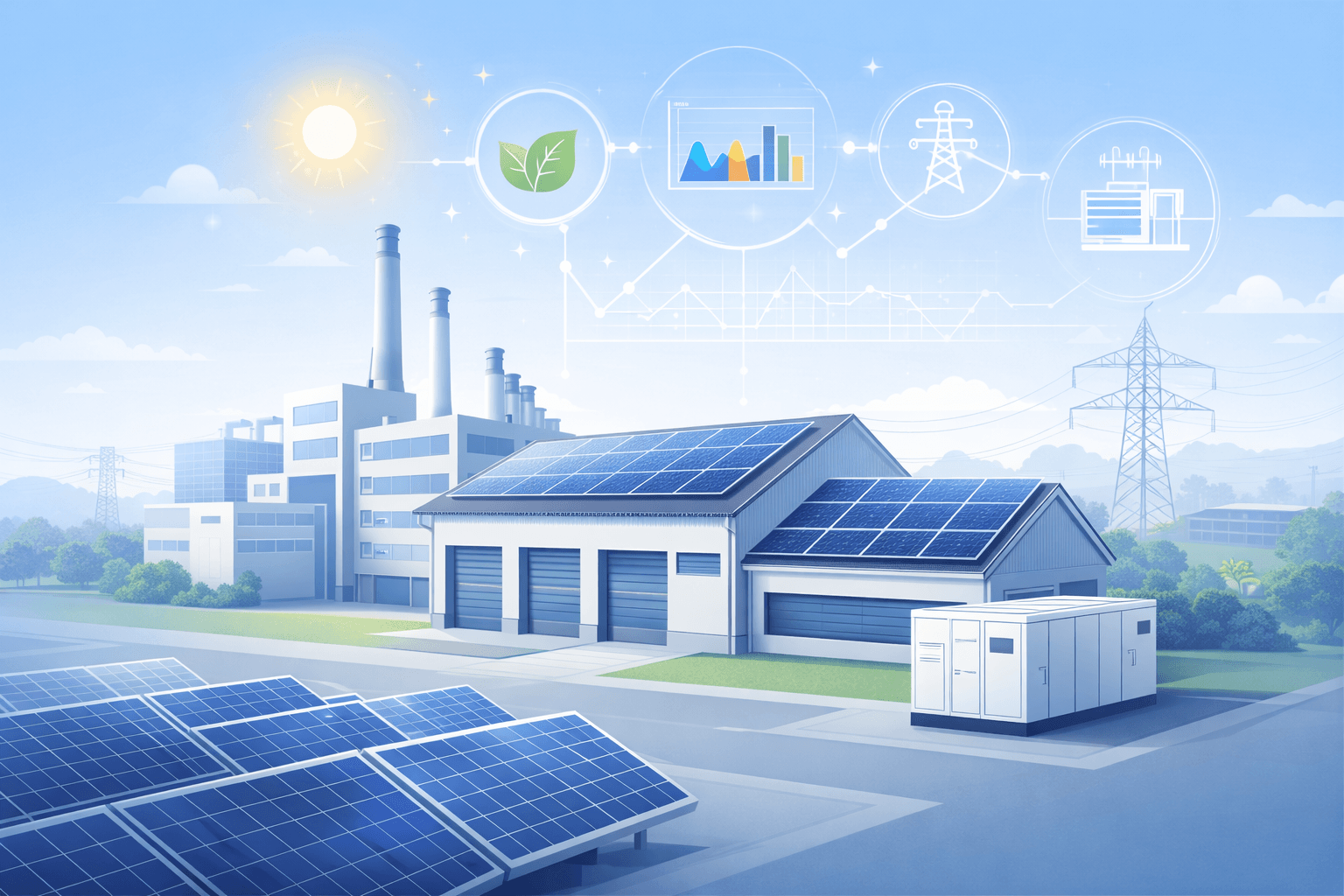
Romania’s industry is entering a new energy era. INOWATTIO’s hybrid SCADA–IoT platform connects solar panels, batteries, and industrial consumption into one intelligent system that cuts costs, enhances control, and enables participation in the balancing market. A new standard for efficiency, resilience, and sustainable energy management.
Why industrial renewable integration matters
A new energy paradigm for industry
Romania’s industrial sector is undergoing one of its most significant energy transformations in decades. Rising and volatile electricity prices, increasingly strict European decarbonization targets, and growing pressure to optimize operational costs are forcing industrial companies to rethink how energy is produced, managed, and consumed.
Energy is no longer a fixed operational input. It has become a strategic variable that directly impacts competitiveness, production continuity, and long-term sustainability. In this new context, industrial renewable integration is no longer an optional investment or a sustainability add-on. It is a core component of modern industrial strategy.
Industrial renewable integration refers to the intelligent connection and coordinated management of on-site renewable generation, energy storage systems, and industrial consumption within a unified digital control framework. Photovoltaic plants, battery energy storage systems, and flexible industrial loads are no longer isolated assets. Instead, they operate as part of a responsive energy ecosystem that adapts in real time to both internal production needs and external grid requirements.
With the right digital infrastructure, an industrial facility can move from being a passive energy consumer to an active participant in the national energy system, contributing flexibility, stability, and renewable capacity while maintaining full operational control.
Why industrial renewable integration is now a necessity
Traditional industrial energy models were built around predictable grid supply and fixed tariffs. That model is no longer sufficient. Energy markets are increasingly dynamic, with price fluctuations driven by weather, cross-border flows, and renewable penetration.
For industrial operators, this volatility introduces risk. High peak prices, grid congestion, and supply constraints can disrupt production planning and increase costs. Renewable integration, combined with intelligent control, mitigates these risks by reducing dependency on grid imports and enabling flexible responses to market conditions.
At the same time, regulatory frameworks across the European Union increasingly reward flexibility, self-generation, and participation in balancing mechanisms. Industrial facilities that can adjust their consumption or provide power on demand gain access to new revenue streams while supporting system stability.
In this environment, digital control platforms are the enabler that transforms physical energy assets into strategic resources.
How INOWATTIO supports industrial renewable integration
INOWATTIO has developed a platform specifically designed to meet the technical and regulatory requirements of industrial renewable integration in Romania. The system has been technically validated by CNTEE Transelectrica, ensuring full compatibility with national dispatch systems and balancing market operations.
The platform is built on a hybrid architecture that combines centralized cloud intelligence with decentralized local control. This approach ensures scalability across large industrial portfolios while maintaining real-time responsiveness and operational resilience at each site.
INOWATTIO continuously monitors production, storage, and consumption across industrial units, translating grid requirements and market signals into precise control actions executed locally. This coordination happens automatically, without the need for manual intervention, and within strict timing constraints required by balancing market participation.
As a result, renewable assets and industrial loads are transformed into controllable, dispatchable resources that can be safely integrated into national energy operations.
Aggregation as the foundation of industrial flexibility
A key element of INOWATTIO’s industrial solution is energy aggregation. Aggregation allows multiple distributed assets — solar plants, battery systems, and industrial loads — to operate as a single virtual energy unit.
Individually, many industrial installations are too small or too fragmented to participate efficiently in energy markets. Through aggregation, their combined capacity becomes visible and valuable to the system operator.
INOWATTIO groups assets into operational clusters that behave like a single power plant from the grid’s perspective. This enables industrial facilities to offer upward or downward flexibility, reserve capacity, and balancing services with a high degree of reliability.
Aggregation also improves internal efficiency. Instead of managing each asset independently, energy flows are optimized across the entire portfolio, ensuring that storage, generation, and consumption work together rather than in isolation.
From renewable assets to operational autonomy
Installing renewable generation at an industrial site is only the first step. True value is unlocked when generation, storage, and consumption are coordinated dynamically.
INOWATTIO acts as the digital control layer that orchestrates this coordination. Based on available capacity, operational constraints, and predefined policies, the system prepares energy availability windows that can be activated when required by the grid operator.
When a dispatch signal is issued, control commands are transmitted and executed locally within seconds. Inverter output, battery charge or discharge rates, and load behavior are adjusted precisely to meet the requested setpoints.
Fallback mechanisms and continuous monitoring ensure that deviations are corrected automatically, maintaining compliance and performance even under changing conditions.
This approach enables industrial facilities to achieve a high degree of energy autonomy while remaining fully synchronized with the national grid.
Security and real-time reliability at industrial scale
Industrial renewable integration introduces strict requirements for communication security and operational reliability. Energy systems are part of critical infrastructure, and failures or breaches can have significant consequences.
INOWATTIO is designed with security as a foundational principle. Industrial-grade communication protocols are used for grid interaction, while modern messaging systems enable secure data exchange between cloud services and field devices.
All communication channels are encrypted end-to-end, authenticated using digital certificates, and logically segregated to prevent unauthorized access. Continuous monitoring ensures anomalies are detected and addressed in real time.
Equally important is resilience. Local control ensures that industrial units continue operating safely even during temporary connectivity interruptions. Once communication is restored, the system resynchronizes automatically without manual intervention.
This architecture allows INOWATTIO to maintain sub-second reaction times while scaling across thousands of devices and multiple industrial sites.
Scalability for large industrial portfolios
Industrial renewable integration must be scalable by design. Solutions that work for a single site often fail when extended to large portfolios with diverse operational profiles.
INOWATTIO’s platform is engineered to manage tens of thousands of active devices simultaneously without performance degradation. Distributed processing, horizontal scaling, and fault isolation ensure consistent operation even under heavy load.
This scalability makes the platform suitable for a wide range of industrial environments, including manufacturing plants, logistics centers, data centers, and technology parks.
As new assets are added, they can be integrated seamlessly into existing clusters, allowing industrial operators to expand their renewable capacity incrementally without redesigning their energy infrastructure.
Economic impact for industrial operators
The economic benefits of industrial renewable integration extend beyond energy cost reduction. Direct consumption of self-generated renewable energy lowers exposure to volatile market prices, while intelligent storage management smooths demand peaks and reduces grid charges.
Participation in aggregation and balancing mechanisms creates additional revenue opportunities. Industrial facilities can monetize flexibility by providing reserve capacity or rapid response services to the grid.
Improved energy efficiency also reduces wear on equipment and increases predictability in production planning. Over time, these factors contribute to lower operational risk and improved financial performance.
From a sustainability perspective, renewable integration significantly reduces carbon emissions and supports compliance with ESG and regulatory requirements.
From industrial prosumer to energy market participant
INOWATTIO enables industrial companies to evolve beyond the traditional prosumer model. By aggregating assets and coordinating control, even medium-sized facilities can act as active participants in energy markets.
Multiple independent sites can be combined into a single virtual energy entity, capable of responding to market signals and grid needs as one coordinated unit.
This model represents a fundamental shift in how industrial energy systems are organized. Production and consumption are digitally synchronized, decisions are automated, and energy becomes a flexible, data-driven resource.
INOWATTIO does not simply integrate renewable assets. It creates the foundation for a new industrial energy economy where digital intelligence and clean energy operate together.
The future of industrial energy in Romania
Industrial renewable integration is not a temporary trend. It is the direction in which energy systems are evolving across Europe and globally.
Romania already has the regulatory framework and grid infrastructure required to support this transition. The remaining challenge is intelligent implementation at scale.
With a secure, scalable, and grid-compliant platform, INOWATTIO enables industrial companies to turn renewable energy into a strategic advantage. Facilities become more efficient, more resilient, and more competitive, while actively supporting the stability of the national energy system.
The future of industrial energy is digital, renewable, and interconnected. With the right technology, that future is already within reach.

 See All Posts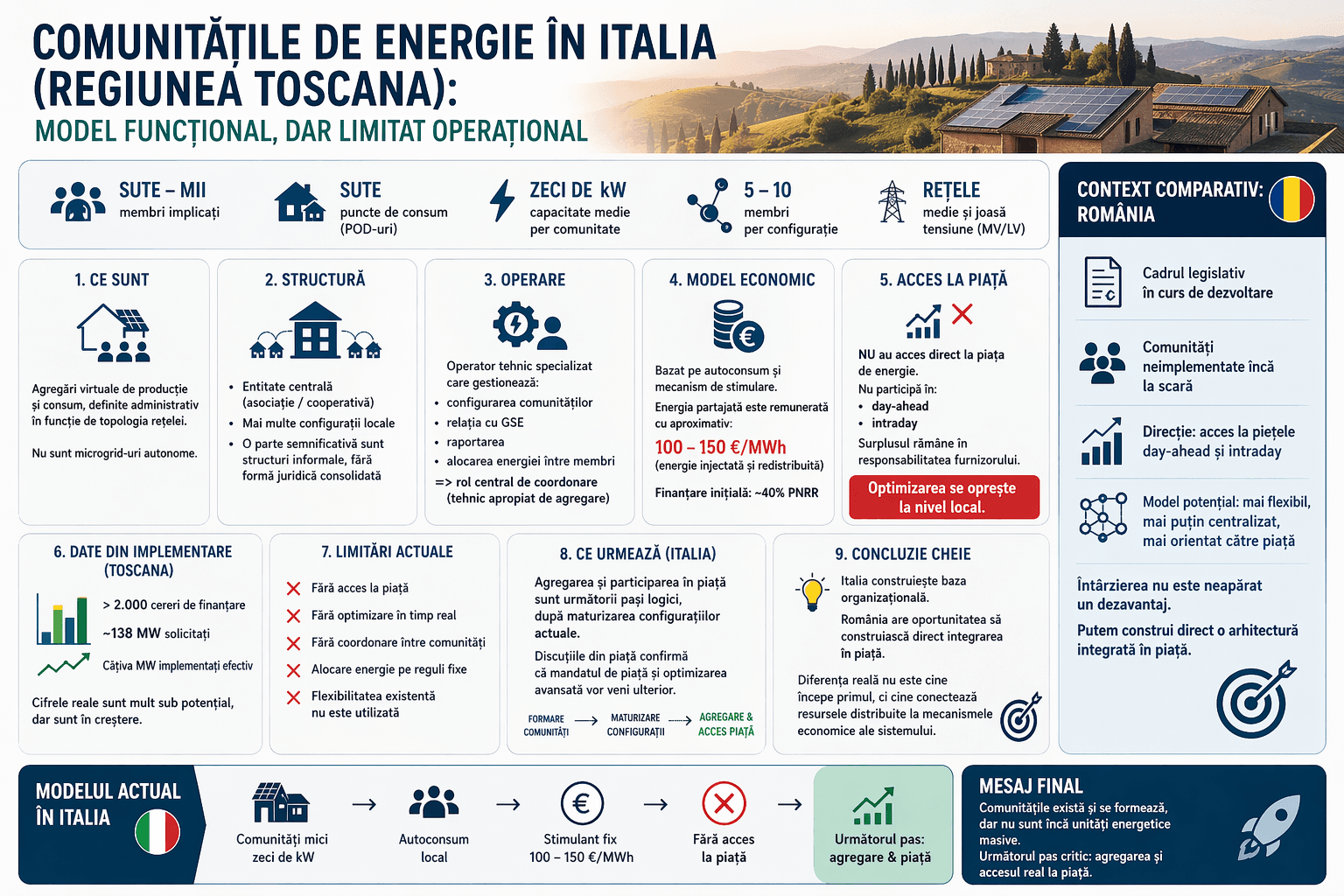
 May 8, 2026 | 3 min read
Energy communities in Italy (Tuscany): a functional model, still early in operational maturity
Energy communities in Italy, particularly in the Tuscany region, are already implemented and operational, but in a simplified form compared to how the model is often described at EU level. The focus is on speed: rapid formation, clear incentives, and strong local engagement.
Field data shows these communities are still operating mainly as local optimization structures, without real market integration. The difference compared to Romania is not just about timing, but about system architecture.
 Mar 6, 2026 | 1 min read
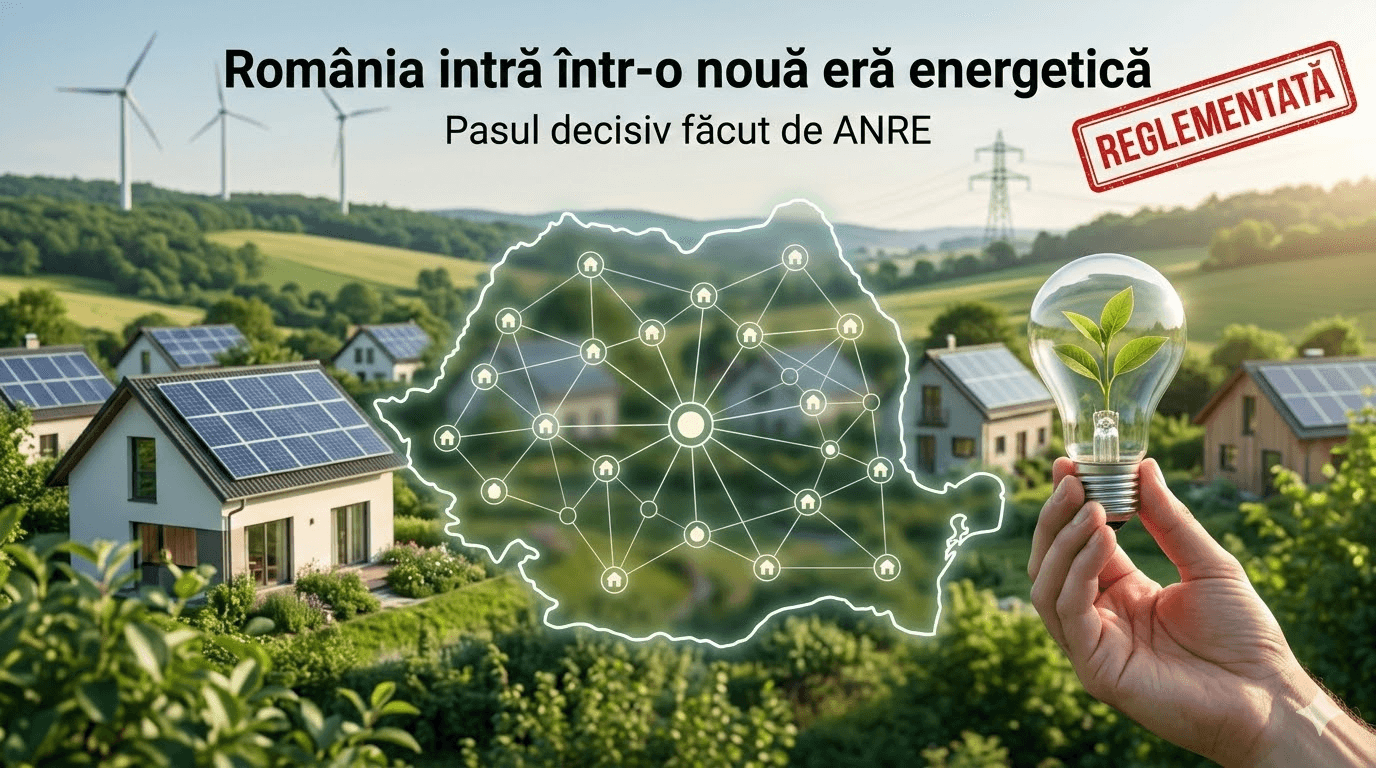
Energy Communities Become Reality in Romania After ANRE Decision
ANRE takes a major step toward decentralizing Romania’s energy system. The new proposed regulations create, for the first time, a real framework for the emergence of energy communities and local energy markets.
 Feb 5, 2026 | 9 min read
A Simple Guide to Understanding Energy Aggregation
A friendly guide to energy aggregation: how Inowattio pools home solar and batteries so you can lower bills, earn credits, and use energy smarter.
 Jan 20, 2026 | 9 min read
Smart Aggregation and DER Dispatchability for Romania’s Energy Market
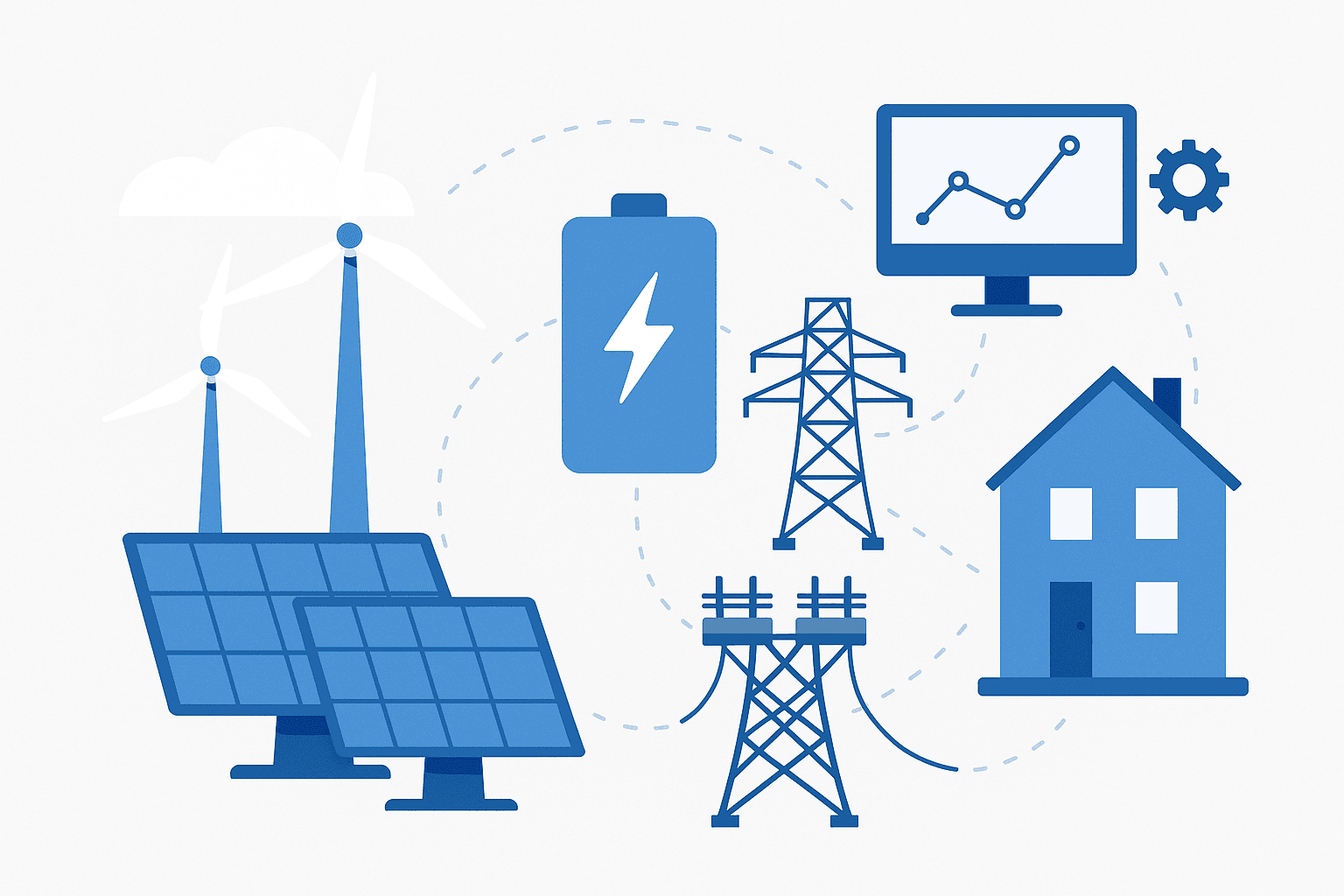
INOWATTIO enables the real-time aggregation and dispatch of distributed energy resources (DERs) — solar, batteries, and flexible consumers — into a unified, controllable network. Through intelligent coordination and market integration, decentralized flexibility becomes a stable and valuable asset for Romania’s energy grid.