
Energy communities in Italy (Tuscany): a functional model, still early in operational maturity
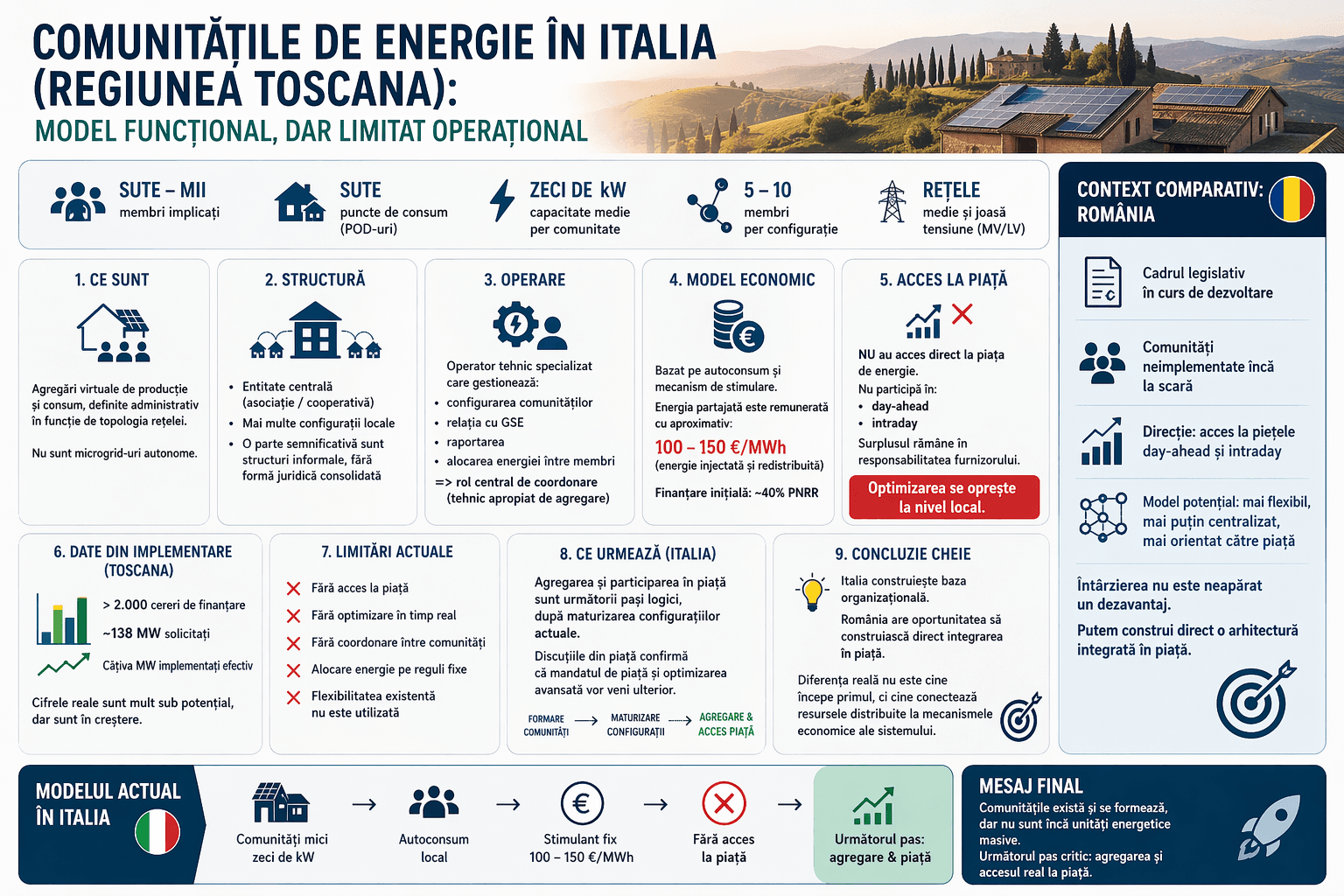
Energy communities in Italy, particularly in the Tuscany region, are already implemented and operational, but in a simplified form compared to how the model is often described at EU level. The focus is on speed: rapid formation, clear incentives, and strong local engagement.
Field data shows these communities are still operating mainly as local optimization structures, without real market integration. The difference compared to Romania is not just about timing, but about system architecture.
Energy communities in Italy (Tuscany): a functional model, still early in operational maturity
Energy communities in Italy, especially in Tuscany, are no longer theoretical constructs. They exist, they operate, they have members, installed capacity, and access to funding mechanisms.
At regional level, around 75 energy communities have been identified in Tuscany alone, in various stages of development. Most of them are structured in relatively simple legal forms: roughly 75% are unrecognized associations, about 8% recognized associations, with the rest split between cooperatives, participation foundations, and hybrid structures.
This already signals the design choice: reduce friction in formation rather than enforce complex legal structures from the beginning.
From an operational perspective, the territorial distribution is equally telling. Around 66% of communities operate at a regional or “wide-area” level, 25% are strictly local (municipal), and only a small fraction have national scope. This is clearly a proximity-driven model, anchored at distribution grid level.
The actual size of these communities is modest. Typical configurations are in the range of 50–65 kW installed capacity, with an average of around 7 members per community. In practice, these are small clusters — a handful of households or small businesses — organized around shared production and consumption.
Despite the small size, growth is steady. The number of configurations has increased from a few dozen in 2023 to over 150 by early 2026 in Tuscany alone. At national level, there are already more than 2,500 configurations and over 1,100 active members participating in energy communities.
Installed capacity follows the same trend. From less than 1 MW in 2022, Tuscany has reached over 7 MW in 2026, with national capacity estimates exceeding 200 MW.
Demand for funding confirms the momentum. By the end of 2025, more than 2,100 applications had been submitted under the national recovery program, totaling around 138 MW and over €60 million requested. Only a fraction of these have been approved so far, indicating a strong imbalance between demand and available funding.
The economic model is built around two main components: upfront grants and incentives for shared energy. Grants cover roughly 40% of the initial investment, while energy shared within the community is rewarded with approximately €100–150/MWh.
This fundamentally shapes how these communities operate.
They are not designed as market actors. They do not trade energy. They do not participate in day-ahead or intraday markets. Surplus energy is still handled by the supplier.
In essence, the community optimizes internal consumption, while the broader market interaction remains unchanged.
There is also a clear emergence of dedicated service entities that manage the operational side of these communities. These entities handle reporting, coordination, and internal optimization. At the same time, local public authorities play an active role by supporting feasibility studies, validating technical setups, and facilitating citizen engagement.
There are even academic programs dedicated to energy communities, which shows a high level of institutional involvement and long-term commitment to the topic.
Taken together, this creates a coherent ecosystem — but one that is clearly focused on the first stage: building communities.
Market integration remains limited.
There are no visible mechanisms yet for aggregation, portfolio-level optimization, or direct participation in energy markets. From discussions on the ground, these aspects are expected to come later, once a critical mass of communities is in place.
This suggests a phased approach: first formation, then market integration.
Romania appears to be following a different path. While there are fewer real-world implementations so far, the discussion is already centered on full system architecture: market access, aggregation, flexibility, and integration into existing trading mechanisms.
For this reason, the difference is not simply a matter of being ahead or behind.
Italy is clearly ahead in execution.
Romania may be approaching the problem with a stronger focus on long-term integration.
And that difference may become more relevant at the point where energy communities transition from local optimization structures into active market participants.

 See All Posts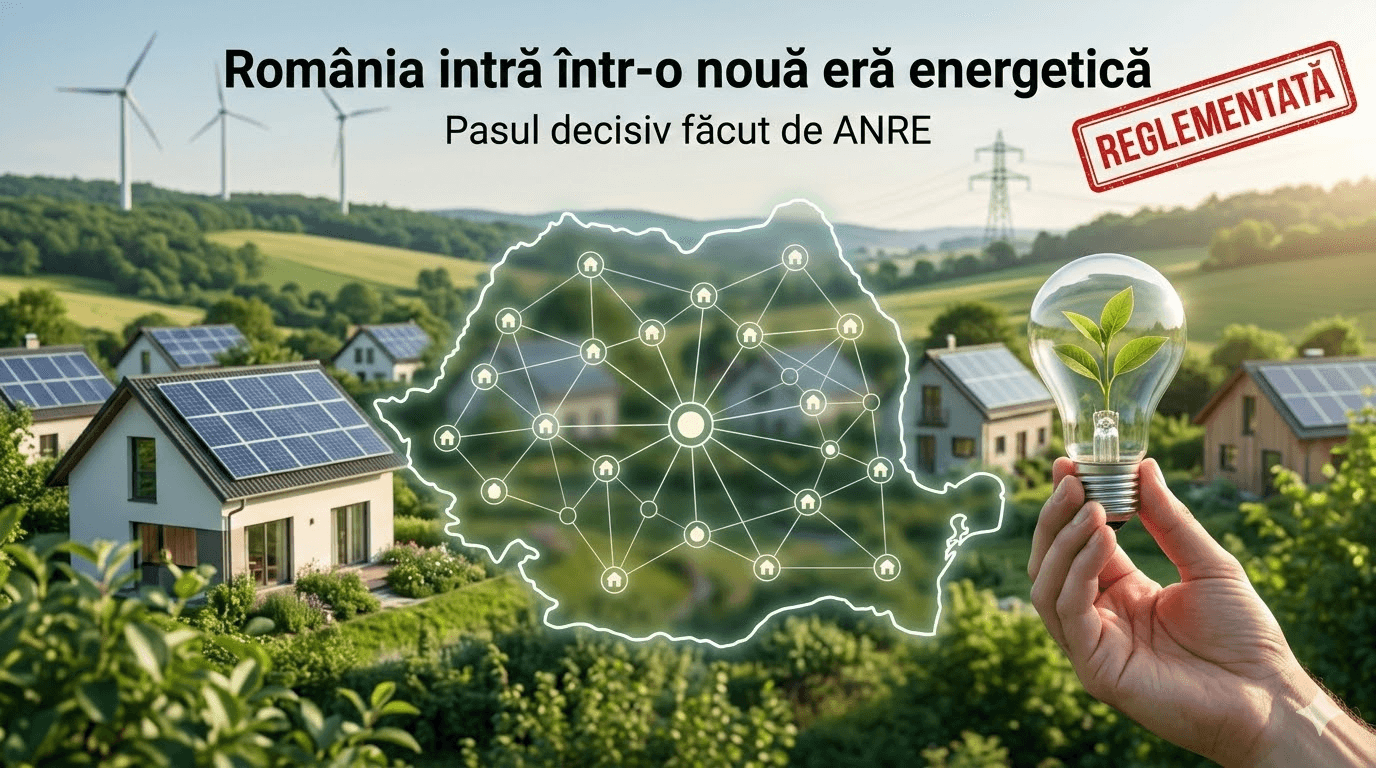
 Mar 6, 2026 | 1 min read
Energy Communities Become Reality in Romania After ANRE Decision
ANRE takes a major step toward decentralizing Romania’s energy system. The new proposed regulations create, for the first time, a real framework for the emergence of energy communities and local energy markets.
 Feb 12, 2026 | 7 min read
Industrial Renewable Integration Made Simple
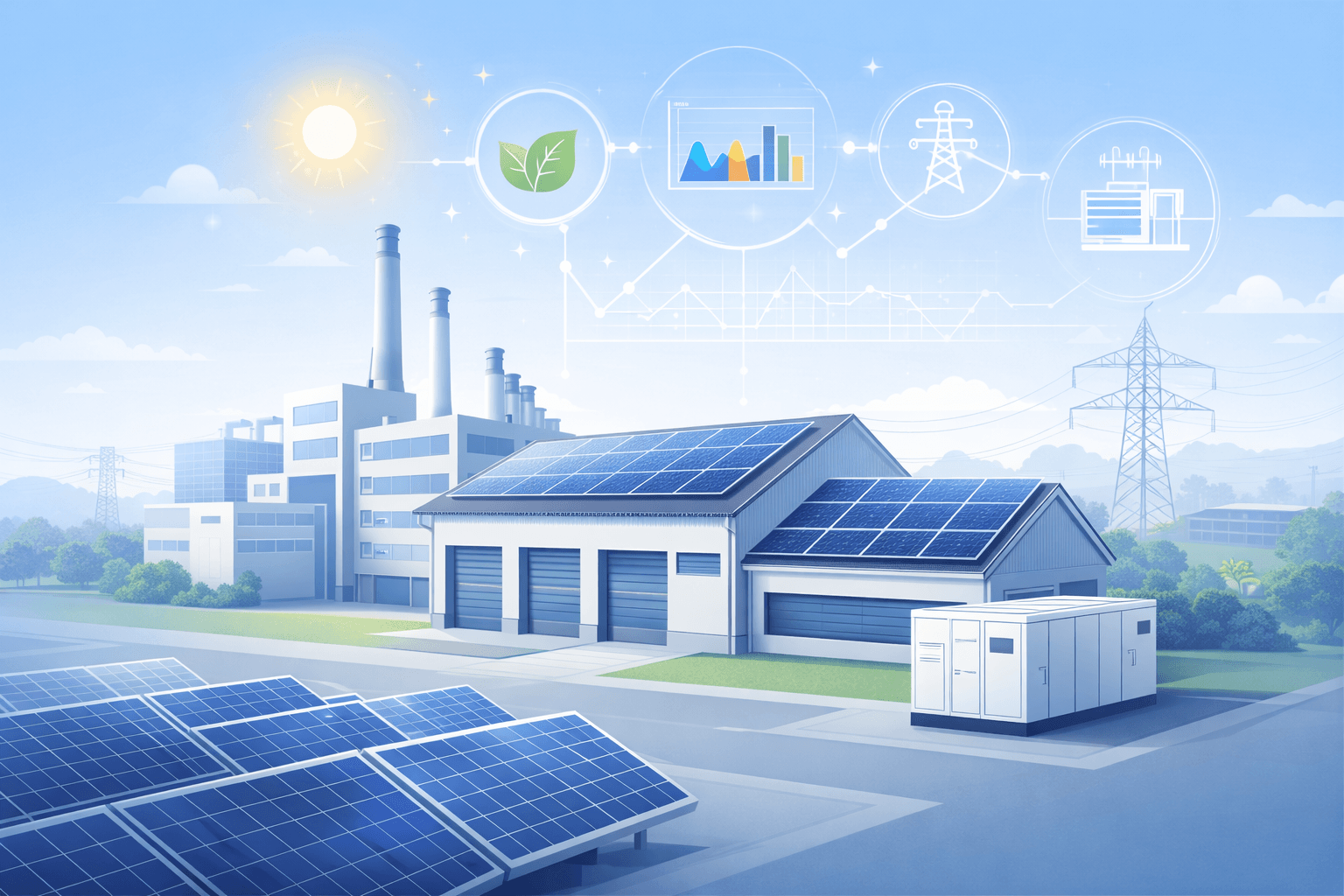
Romania’s industry is entering a new energy era. INOWATTIO’s hybrid SCADA–IoT platform connects solar panels, batteries, and industrial consumption into one intelligent system that cuts costs, enhances control, and enables participation in the balancing market. A new standard for efficiency, resilience, and sustainable energy management.
 Feb 5, 2026 | 9 min read
A Simple Guide to Understanding Energy Aggregation
A friendly guide to energy aggregation: how Inowattio pools home solar and batteries so you can lower bills, earn credits, and use energy smarter.
 Jan 20, 2026 | 9 min read
Smart Aggregation and DER Dispatchability for Romania’s Energy Market
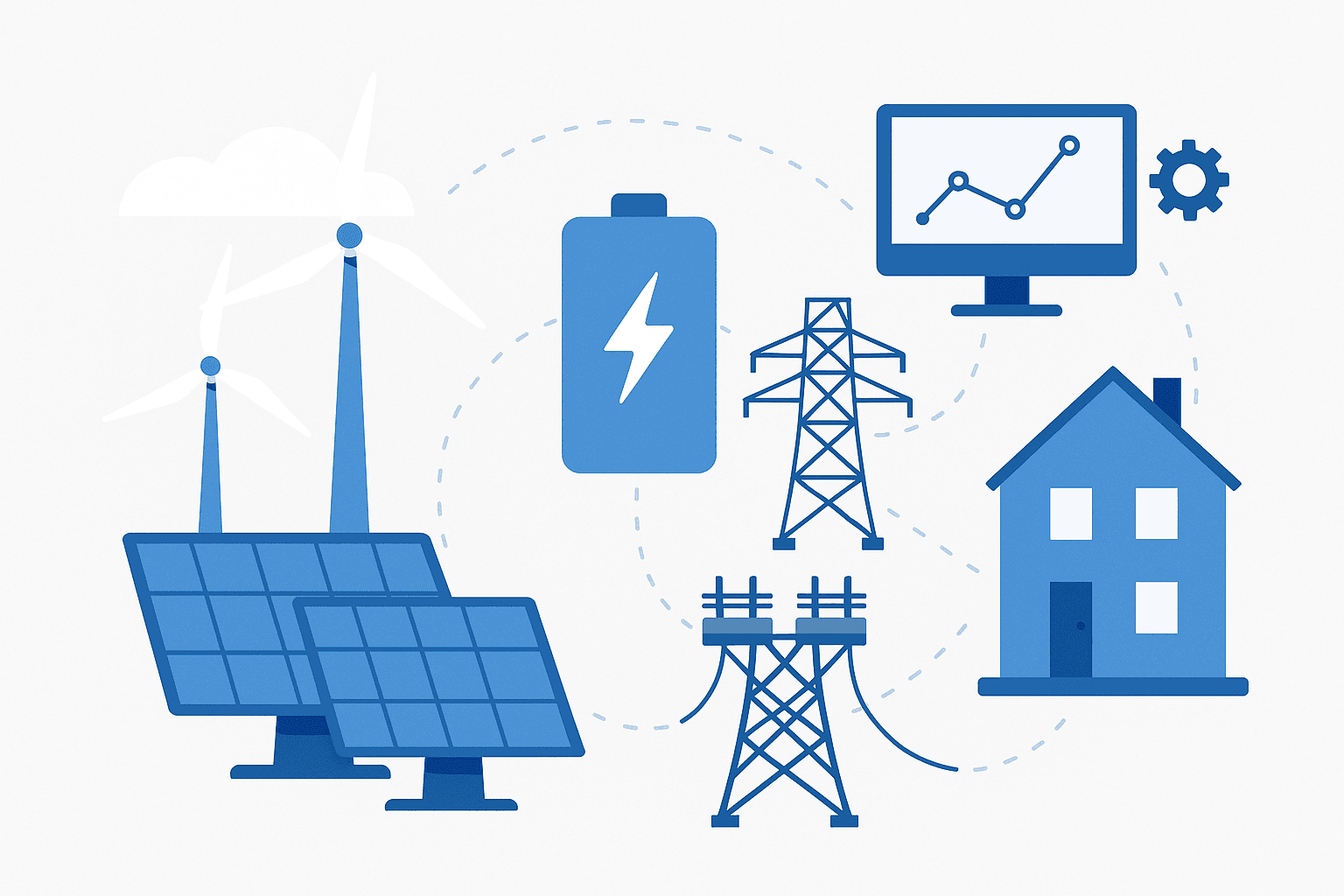
INOWATTIO enables the real-time aggregation and dispatch of distributed energy resources (DERs) — solar, batteries, and flexible consumers — into a unified, controllable network. Through intelligent coordination and market integration, decentralized flexibility becomes a stable and valuable asset for Romania’s energy grid.